Terrene Signal participates in referral programs, meaning links on this page may earn us a commission at no added cost to you. How Terrene Signal earns referral commissions
Gold prospecting detectors advertise sensitivity, search depth, and waterproofing—but marketplace listings often lack the technical details you need to compare them fairly. The four detectors below range from $51 to $149 and promise features like underwater operation and adjustable settings, yet exact specifications, included accessories, and real-world performance remain unclear from titles and images alone.
Before buying, you'll want to verify what comes in the box, confirm the coil size and frequency, and check whether the detector suits your local terrain. This guide maps out what each listing claims and the gaps you should fill before purchase.
Key Questions Before You Buy
- What's included? Does the package contain the search coil, control box, shaft, headphones, and batteries—or just the detector itself? Marketplace images may show accessories not sold with your order.
- What's the actual search depth? Listings claim "long range" and "deep," but depth depends on target size, ground mineralization, and coil frequency. Seller claims don't tell you the depth for small nuggets in your area.
- Is it truly waterproof or just water-resistant? "Waterproof" varies: some models handle submersion, others only splash or rain. Check the manufacturer's instructions for depth and duration limits.
- What frequency does it operate on? Higher frequencies (above 70 kHz) typically detect small gold better; lower frequencies penetrate deeper but may miss fine nuggets. Listings often omit this.
- Are batteries and headphones included? Marketplace photos may show them, but the actual package might not. Verify before checkout.
Budget Range: $50–$150
All four detectors listed here fall in the entry-to-mid-range price bracket. Lower price doesn't necessarily mean lower performance—some budget models offer solid sensitivity—but you trade features like pinpoint accuracy, multiple search modes, or advanced ground balancing. At this price, you're unlikely to find professional-grade pulse induction detectors; most are standard VLF (very low frequency) models.
What the Four Listings Claim

Treasure Hunter GX850: The $148.49 listing emphasizes an 11-inch coil and "high sensitive" detection. The title claims "underground" and "waterproof" operation, suggesting it handles wet ground and possibly shallow submersion. No specifications appear in the marketplace data—coil frequency, battery type, weight, or exact waterproof rating are unstated. You'll need to verify the manual or contact the seller for these details. Check whether the control box itself is waterproof or only the coil.
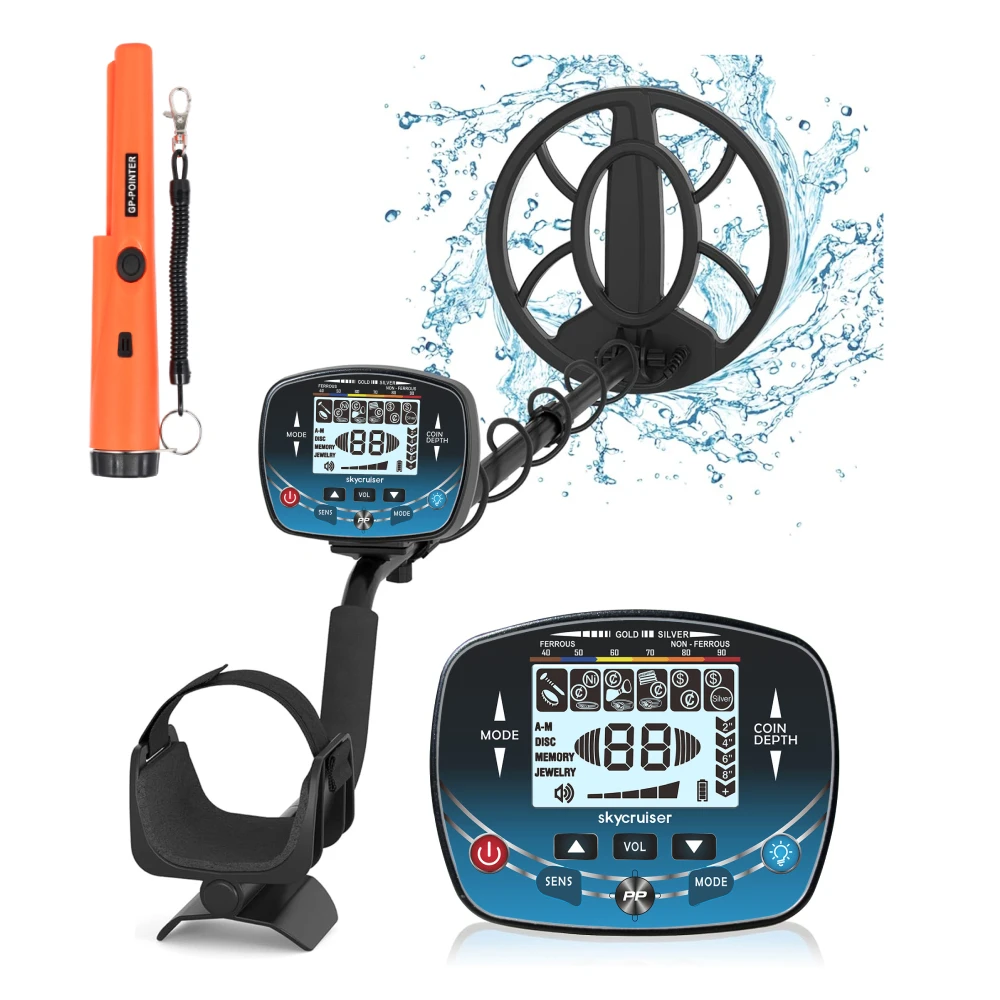
Professional Metal Detector (China Solar): At $51.55, this is the most affordable option, marketed for "gold hunting" and "greater depths." The listing provides almost no technical data—no coil size, frequency, or power specs are visible in the marketplace record. The low price suggests a basic all-purpose detector rather than a specialized gold prospecting machine. Before purchase, ask the seller for coil diameter, operating frequency, battery requirements, and whether it's waterproof or water-resistant.

TX650 (Tricorpower Store): Priced at $126.17, this model advertises "long range," "deep" detection, and waterproof operation, plus a foldable design. The listing claims it's "professional" and suitable for gold prospecting. Like the others, exact specifications—coil frequency, search modes, battery type, depth rating—are not in the marketplace data. The foldable design may aid transport, but verify how it affects detection performance and whether folding affects coil alignment.

TX850 (China Solar): At $149.41, this detector is marketed with "high sensitivity" and "long range" capabilities, positioning it as "all-purpose" rather than gold-only. The title lacks frequency, coil size, or depth-rating details. The similarity in price to the GX850 raises a question worth asking the seller: how do these two differ in design, coil, and actual performance? The technical specifications needed to answer this are missing from both listings.
What You Can't Tell from the Listings
Marketplace titles compress information into keywords, so you lose crucial details:
- Operating frequency: Gold nuggets are typically found by detectors operating at 18 kHz and higher. None of the listings state a frequency.
- Search modes: Can you switch between all-metal and discriminate modes? Are there ground-balance adjustments? These affect usability in mineralized soil.
- Weight and battery life: Prospecting often means hours in the field. A heavy detector or short battery life becomes exhausting. These aren't listed.
- Included accessories: Do you get a carrying case, coil covers, digging tools, or only the bare detector? Images may show items sold separately.
- Warranty and support: What's covered, and who provides it? This matters if the detector fails in remote terrain.
How to Verify Before Purchasing
Use these steps to narrow your choice:
- Contact the seller directly. Ask for the full specification sheet: frequency (Hz or kHz), coil diameter, weight with and without batteries, battery type and quantity, search modes, and depth rating for different target sizes.
- Request clarification on "waterproof." Specific depths and durations matter. Ask if the control box and headphones are waterproof, not just the coil.
- Confirm what's included. Request a detailed packing list. Don't assume the image contents ship with your order.
- Check shipping to your location. These marketplace listings originate from international sellers; verify they deliver to your country and whether import duties apply.
- Read recent buyer feedback, if available on the marketplace. Look for reports of actual search performance, battery life, and whether accessories were missing.
- Search for user manuals online. Model names like "TX650" and "GX850" may appear in manuals or YouTube reviews. Cross-reference these to learn realistic capabilities.
Gold Prospecting vs. General Treasure Hunting
The four detectors are marketed for gold, but titles like "all-purpose treasure detector" (TX850) suggest they're designed for multiple target types—coins, jewelry, relics, and metal. Specialized gold detectors often operate at much higher frequencies (above 70 kHz) and cost more. At this price range, you're buying a general-purpose detector adapted to gold hunting, not a dedicated nugget machine. This means it may struggle with very small or deeply buried nuggets but will work reasonably well for larger flakes and surface finds.
Practical Next Steps
Once you narrow to one or two models, use the seller's contact system to ask for a specification sheet and manual PDF. Compare the frequency to local club recommendations for your region—different terrains and target sizes favor different frequencies. Join a local prospecting club or online forum; members often own these exact models and can report real-world performance and reliability. Finally, confirm the current price and delivery time at checkout, since marketplace prices and inventory change frequently.
No listing image or title alone tells you whether a detector will find gold in your specific location. The best choice depends on your local geology, target size, budget, and comfort with field equipment. The specifications and support documentation—not the marketing name—will guide that decision.
Evaluation is based on published specifications and seller listings. No physical or hands-on testing was conducted; unlisted specifications may still be available from the seller.

