Terrene Signal participates in referral programs, meaning links on this page may earn us a commission at no added cost to you. How Terrene Signal earns referral commissions
When searching for a waterproof metal detector, the single most critical distinction is between a waterproof search coil and a fully submersible system. Many standard detectors feature waterproof lower shafts and search loops suitable for wading along the surf line, yet their main control housings, speaker grilles, and LCD modules will fail immediately if splashed or dropped in water. Conversely, dedicated scuba detectors and submersible pinpointers are engineered with sealed battery compartments and pressure-resistant casings to handle total immersion.
Always confirm whether the entire unit is rated for submersion or merely the coil assembly. If an IP rating (such as IP68) is claimed, review the seller's specific depth limitations, gasket care guidelines, and battery-cap seal instructions before submerging any detector in surf or diving environments.
Full-Length Land and Shallow-Water Detectors
Full-size pole-mounted detectors allow hunters to sweep expansive stretches of dry sand, wet towel lines, and shallow tidal wash without bending over. However, their physical geometry requires careful handling around moving water.
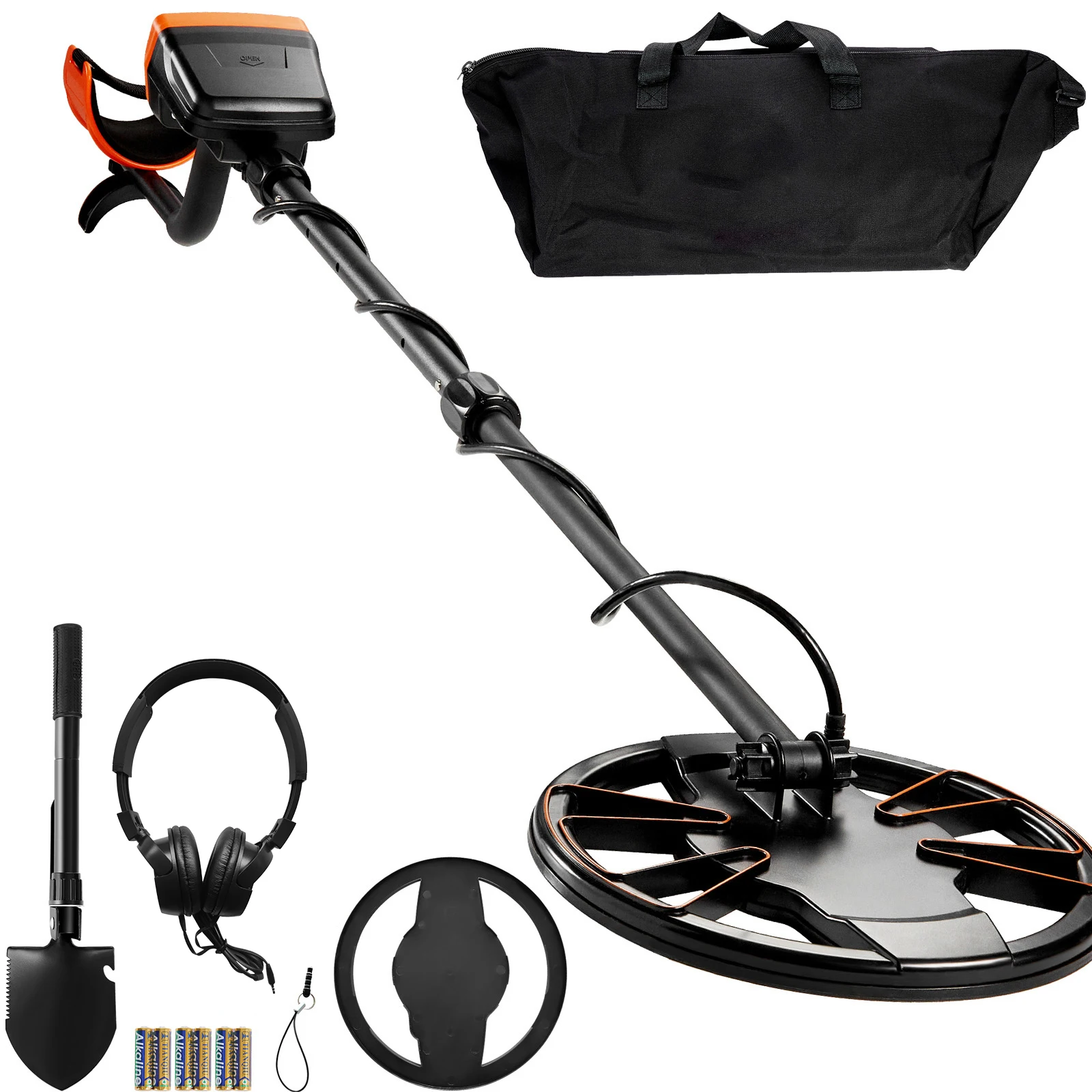
The SucceBuy 10-Inch Waterproof Search Coil Detector represents this upright platform. Advertised with an adjustable 41-inch to 52-inch aluminum stem and an LCD display featuring seven detection modes, it is tailored for standing sweeps across shorelines, parks, and fields. The listing advertises a 10-inch waterproof search coil, enabling you to detect beneath the water surface in calm shallows. However, the upper assembly—incorporating the display screen and handle—must remain dry unless the manufacturer explicitly certifies the control box as submersible. For beachcombers walking the wet-sand margin or exploring shallow creeks, this design offers broad coverage, provided you do not submerge the electronics console.
Compact Scuba and Underwater Pulse Detectors
When snorkeling, free diving, or navigating rough surf breaks, full-length shafts create excessive hydraulic drag and risk control-box flooding. Underwater specialists rely instead on compact, handheld rigs—often advertising pulse induction (PI) circuitry designed to handle saltwater conductivity without constant chatter.
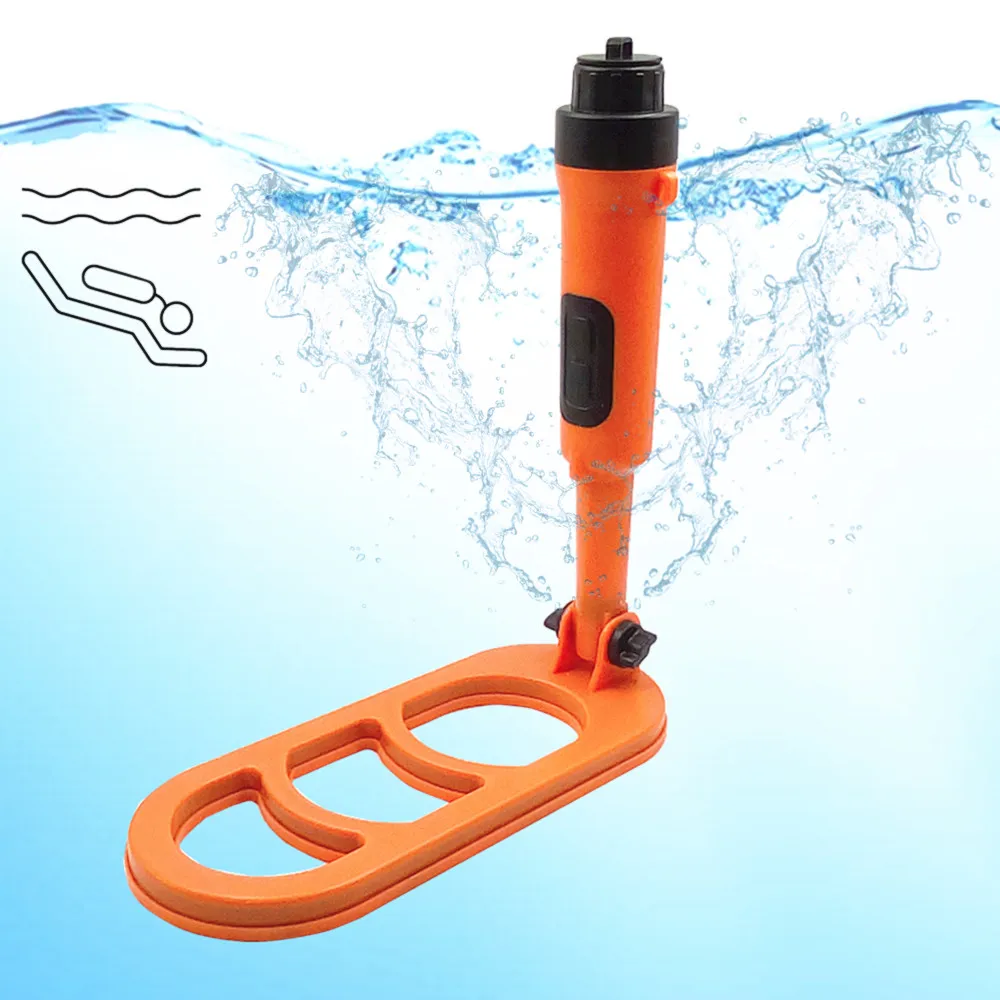
The Waterproof Metal Detector Folding Pulse Coil from Stone's Store is advertised as an underwater pulse-scan scuba tool. Featuring a folding hinge mechanism between the search loop and the handheld barrel, it is built to stow inside gear bags or clip to a dive harness. Pictured in bright high-visibility orange with a rear sealed battery cap, its form factor targets close-quarters seabed scanning where an operator uses mask and fins.
A nearly identical variant in visual layout is the 2022 Underwater Dive Scuba Folding Detector offered by Gold-miner Store. Also featuring an advertised pulse scan coil and articulated folding hinge, this listing illustrates how identical shell designs appear across different marketplace storefronts. When selecting between these folding pulse tools, verify the specific O-ring configuration, included lanyards, and exact warranty coverage directly with the individual merchant, as internal build consistency and quality control may vary across different assembly batches.

For divers who prefer a rigid loop over an articulated hinge, the Treasure Hunter GT120 Handheld Diving Metal Detector provides a fixed 4.2-inch circular search coil. The seller claims an IP68 waterproof rating, adjustable sensitivity, an integrated LED flashlight, and an anti-loss lanyard. The fixed probe-to-coil frame eliminates mechanical pivot joints that could accumulate sand or loosen under strong current, making it an option for rocky inlets and reef crevices.

Waterproof Pinpointers for Wet Recovery
Once a target is flagged by a primary detector, pinpointing wands dramatically reduce excavation time inside muddy holes, surf slurry, and extraction scoops. Standard land pinpointers frequently succumb to water intrusion through the buzzer sound holes, necessitating sealed alternatives for shoreline hunts.
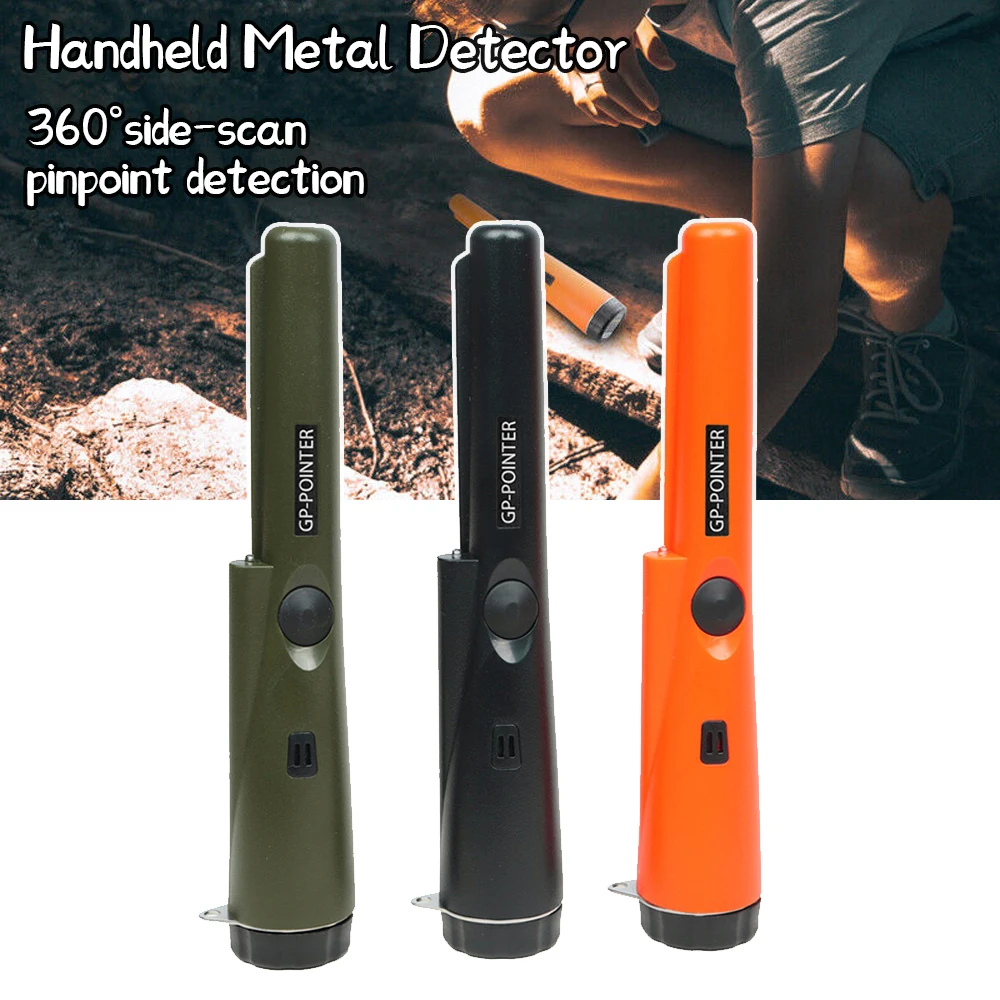
The Treasure Hunter GP Pointer is a wand-format locator claiming 360-degree side scan capability, vibration and audio alert patterns, and an advertised waterproof housing. Visual listing materials highlight features such as an LED indicator and automatic shutdown. Handheld wand probes of this configuration excel at isolating small metallic objects within wet sand plugs where visual spotting is obstructed by churning water.

Similarly, the Treasure Hunter Handheld Pinpointer Probe from Stone's Store offers an anti-scratch casing and 360-degree scan field. Offered at an entry-level price point, it functions primarily as an auxiliary locator. Buyers should verify before purchase whether the entire housing is submersible or if the waterproofing is restricted to the probe tip forward of the power button and audio ports.
Comparison of Waterproof Detector Form Factors
Choosing the right configuration depends on operating depth, target size, and physical transport requirements. The table below outlines how these common marketplace formats compare based on seller-advertised attributes and operational design.
| Model / Listing | Form Factor | Advertised Submersion Scope | Intended Environment | Key Verification Need |
|---|---|---|---|---|
| SucceBuy 10" Coil | Full Upright Stem (41"–52") | Coil advertised waterproof; stem/console dry | Beach sand, shallow wading, parks | Confirm control box water resistance before waves hit |
| Folding Pulse Scuba (Stone's / Gold-miner) | Articulated Handheld Dive Coil | Full unit submersible (diving/scuba) | Snorkeling, scuba, surf dive exploration | Inspect O-ring condition and max depth rating |
| Treasure Hunter GT120 | Fixed 4.2" Coil Handheld | Advertised IP68 waterproof | Crevices, riverbed diving, surf wash | Check cap thread lubrication and depth limit |
| GP Pointer / Handheld Probes | Cylindrical Wand Pinpointer | Advertised waterproof (scope varies) | Target recovery, wet sand holes, mud | Verify if sound port or switch allows water ingress |
Essential Pre-Purchase and Field Guidance
Operating sensitive electronic equipment in and around water presents substantial challenges, particularly when dealing with coastal saltwater.
1. Confirm Sealing Mechanisms
Submersible handhelds and pinpointers rely heavily on silicone or rubber O-rings seated within threaded caps. Prior to your first dive, open the battery compartment to inspect the gasket. Ensure the O-ring is free of lint, grit, or manufacturing flash. Always adhere strictly to the manufacturer's care documentation regarding silicone grease lubrication and maximum submergence limits.
2. Mineralization and Saltwater Effects
Saltwater contains dissolved ions that conduct electricity, causing standard Very Low Frequency (VLF) detectors without specialized ground balancing to trigger false signals along wet shorelines. Units advertising pulse induction (PI) circuitry ignore conductive wet sand more effectively, making them preferred for surf hunting. However, basic entry-level pulse units rarely offer visual target discrimination, meaning you will dig iron trash alongside non-ferrous jewelry.
3. Post-Hunt Maintenance
Salt deposits crystallize as seawater evaporates, potentially eroding rubber seals and locking threaded caps. After any exposure to surf or brackish water, thoroughly rinse the detector with clean fresh water while the seals remain closed. Allow the exterior to air dry completely before unscrewing battery compartments to prevent residual droplets from entering the circuitry.
Note: Pricing, accessories, and promotional specifications are seller-advertised reference figures and may change. Always confirm exact package inclusions, destination availability, and sealing specifications on the merchant listing before finalizing an order.